
Flocculants
Flocculants (polyelectrolyte polymers) for clarifying water and effluent and for sludge dewatering. Request partner pricing.
Description
Flocculants are polymers that bind fine particles into large, fast-settling flocs, making water clearer and sludge easier to handle. Biozone supplies flocculants to contractors, plant operators and resellers across Kenya who treat industrial effluent, municipal wastewater and process water.
What is a flocculants?
A flocculant is usually a long-chain polymer, often called a polyelectrolyte. When mixed gently into water it bridges between particles that a coagulant has already destabilised, forming strong flocs. Those flocs settle quickly in a clarifier or are captured on a filter or press. Different charges and molecular weights suit different waters, so the correct type is chosen by testing.
Where flocculants is used
- Clarifying industrial effluent in factories, laundries and abattoirs
- Improving settling in municipal and institutional wastewater plants
- Conditioning sludge before dewatering
- Treating process and wash water for reuse
The same polymer can behave very differently on two waters, which is why trials and jar tests matter more than catalogue descriptions.
How flocculants fits your treatment system
Polymer is dosed after coagulant, in a gentle mixing stage, ahead of the clarifier or sludge press in our wastewater treatment plants. Combine it with aluminium sulphate for best results, and feed it with a dosing pump for steady control.
Choosing the right size and type
Select by water type, solids content and the equipment that follows. Anionic, cationic and non-ionic types exist, and each suits different solids. Send a sample description or your effluent source, flow and goals, and we will suggest a product and a starting dose. Available forms and pack sizes should be confirmed on enquiry.
Care, safety and maintenance
Store dry, sealed and away from moisture, because powders clump quickly and spills become very slippery. Make up solutions in clean water with gentle mixing, since harsh mixing breaks the polymer chains. Wear gloves and eye protection, and clean any spills at once.
Installation and support from Biozone
Dosing discipline matters. Too little leaves cloudy water, while too much can overload the process and make sludge sticky. Prepare fresh solution at the strength recommended, age it for the time needed, feed it steadily, and watch the settled water so you can adjust whenever flow or load changes. Our team can also help you plan a trial at your site. Start with a small test period, record the dose, the clarity of the settled water and the amount of sludge produced, and compare results across a few polymer types before committing to a larger order for your plant.
Biozone designs, builds and maintains wastewater, biodigester and biogas plants, so our advice comes from practical experience on site. When you send an enquiry, tell us the type of plant, the flow or volume, your location and the quantity you need, and our team will respond with a recommendation and partner pricing. You can also browse the Biozone shop or read more about our treatment plants. Related products: aluminium sulphate, dosing pumps and chemicals and disinfectants.
Common questions
What is the difference between a coagulant and a flocculants?
A coagulant neutralises particle charge, and flocculants then bind the particles into larger flocs that settle.
Can I use them in a biodigester?
They are normally used in physical and chemical treatment stages, not in the biological chambers. Ask us where to use them in your plant.
Flocculants price in Kenya for contractors and partners
We do not list public prices for this product. Contractors, installers, plant operators and resellers can send a pricing enquiry with their site details and the quantity they need, and we will respond with partner pricing. You can also request pricing by phone or WhatsApp on +254 111 715 578 (WhatsApp us).
If you are unsure which option suits your site, send us a short description of the plant, the volumes involved and where it is located. Our engineers will review it and reply with a clear recommendation, a list of any accessories you need and partner pricing, so that you can quote your own clients with confidence.
Learn more: Flocculation overview on Wikipedia.
Only logged in customers who have purchased this product may leave a review.
Related products
-
-7% / -22%

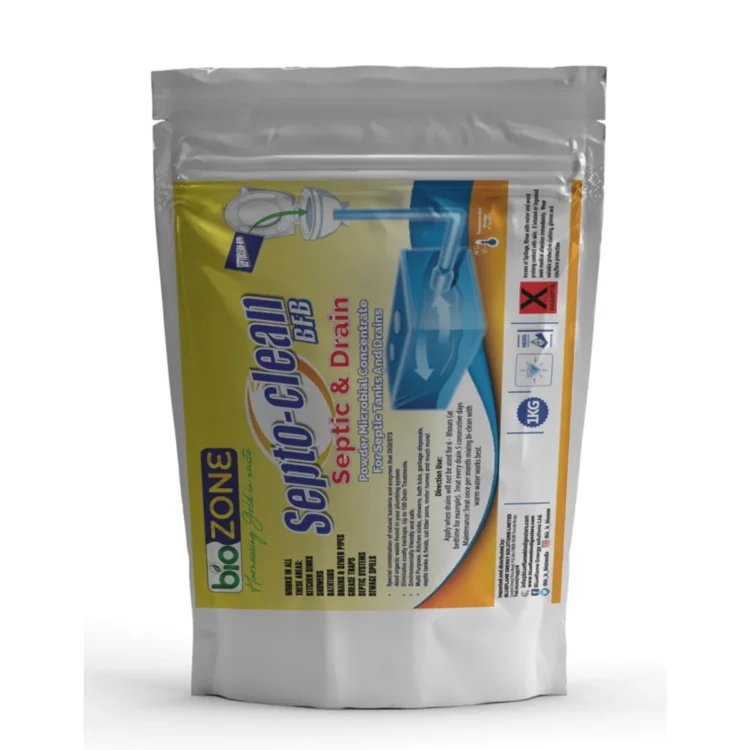
SeptoClean BFB
Price range: KSh990.00 through KSh6,500.00 Select options This product has multiple variants. The options may be chosen on the product page -
Chlorine Tablets
Read more -
-10% / -23%
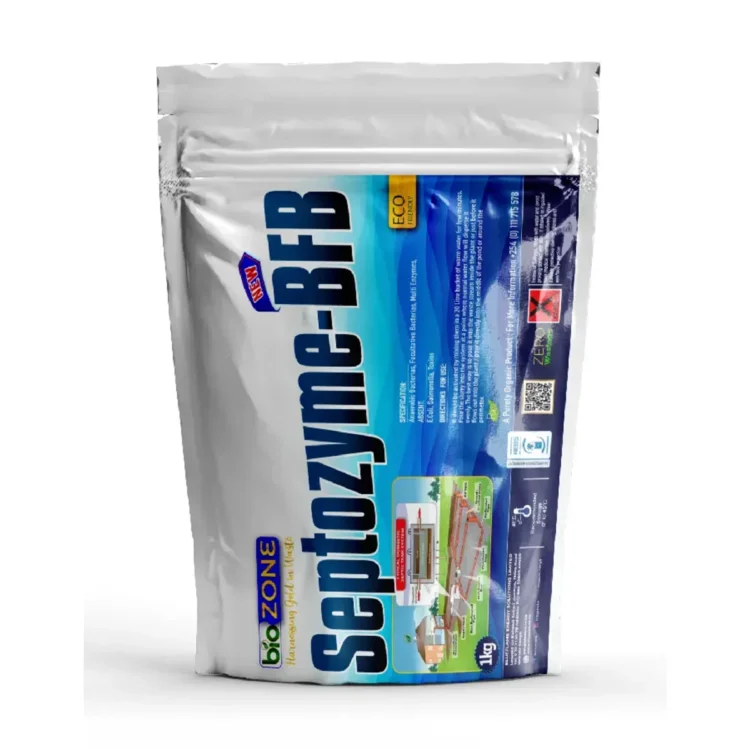
Septozyme BFB
Price range: KSh990.00 through KSh6,500.00 Select options This product has multiple variants. The options may be chosen on the product page -
Calcium Hypochlorite (Chlorine 65)
Read more
Reviews
There are no reviews yet.