

Pit Latrine and Sewage Sludge Treatment Supplies
Sanitation companies, exhauster operators and NGOs need pit latrine treatment products that reduce sludge, odour and the number of costly empties. Biozone supplies bacteria, chemicals and equipment for latrines, bio latrines and sewage sludge handling.

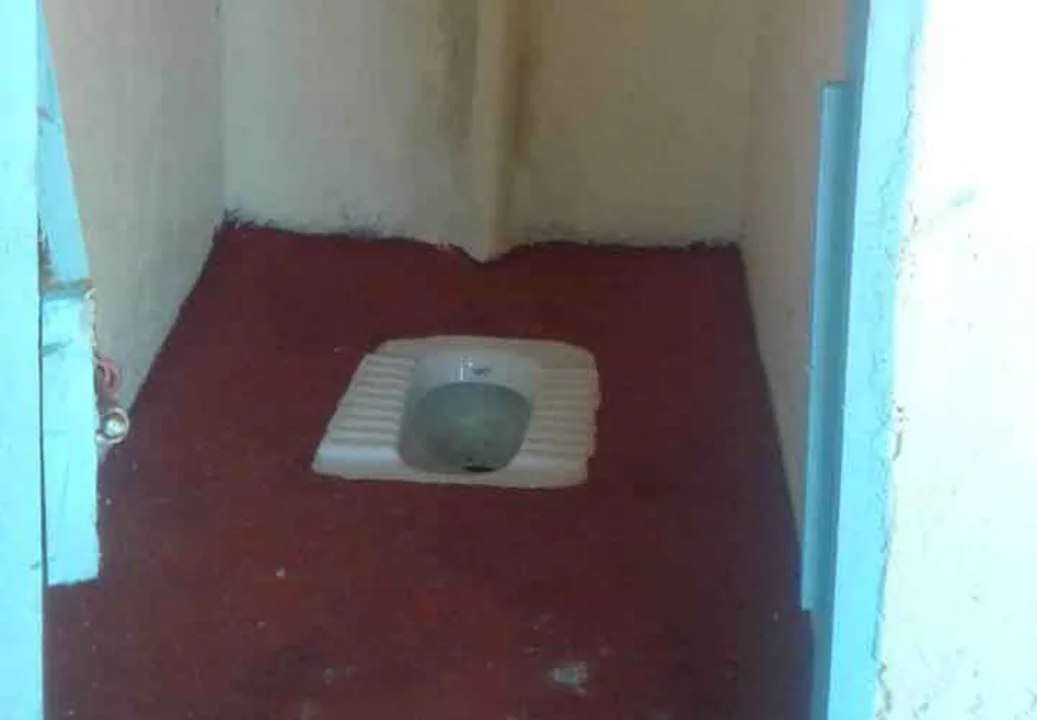
Treating pits and sludge
Bacteria and enzymes such as Envirozyme BFB and Septozyme BFB break down solids in latrines and holding tanks, slowing fill rates and cutting smell. Dosed regularly, they can extend the time between empties, which saves money for owners and improves service for communities.
Equipment and chemicals for sludge handling
When pits are emptied, sewage pumps and hoses move sludge, and flocculants and aluminium sulphate help dewater it. Disinfect with calcium hypochlorite (Chlorine 65) before disposal. Our chemicals and disinfectants page lists more options.
Typical customers
Our partners in this line of work include:
- Exhauster and cesspool emptying companies
- Sanitation NGOs and community projects
- Schools, camps and institutions with latrines
- Contractors building bio latrines
Ordering and advice
Send the number of pits or users, their sizes and your location, and we will recommend a treatment plan. request partner pricing with the form, or return to the Partners page. You can also read more about our bio latrine solutions.
How pit latrine bacteria reduce sludge
Pit latrine bacteria feed on the waste in a pit and convert part of it into water and gas, which slows the rate at which the pit fills. Results depend on how the pit is used, how wet it is and how often the bacteria are added, so dosing on a schedule gives the best outcome.
Pit latrine treatment also reduces odour and flies, which makes latrines more pleasant for families and for school pupils. For organisations that manage many pits, the savings from fewer empties add up quickly over a year.
Planning a sewage sludge treatment service
Sewage sludge treatment covers emptying, transport, dewatering and safe disposal. Use pumps and hoses sized for thick sludge, add flocculants where dewatering is needed, and disinfect before disposal. We can help you choose each item and prepare a supply list for your fleet or project.
Starting a pit latrine treatment programme
A pit latrine treatment programme works best when it is planned. Survey the pits, record their size, age and use, choose the dosing schedule and train the people responsible for adding the product. Track fill rates over several months so that you can show clients the benefit and adjust the dose where needed.
For schools and community projects, combine treatment with simple hygiene messages and regular inspection of slabs and vents. These small steps keep latrines safe and extend the time between empties. Ask us for dosing guidance and partner pricing for your programme.
Results you can expect from pit latrine treatment
With regular pit latrine treatment, owners usually notice less odour first, followed by slower filling and easier emptying. Because every pit is different, we suggest starting with a pilot group of pits, recording the results over a few months and then expanding the programme. We can help you design the pilot and interpret what you see.
Equipment and safety for latrine service crews
Crews that empty pits and handle sludge need suitable pumps, hoses, gloves, boots and disinfectants. Plan for safe handling, correct disposal sites and clear records for every job. We can help you select equipment and chemicals for your crews and quote partner pricing for the full package, so that your service is safe, reliable and easy to scale.
Training matters as much as products. Show crews how to dose, how to store chemicals safely and how to report problems, and give clients a simple record of each visit.
Products for latrine and sludge work
These are the products mentioned on this page. Open any product for details, then request partner pricing.

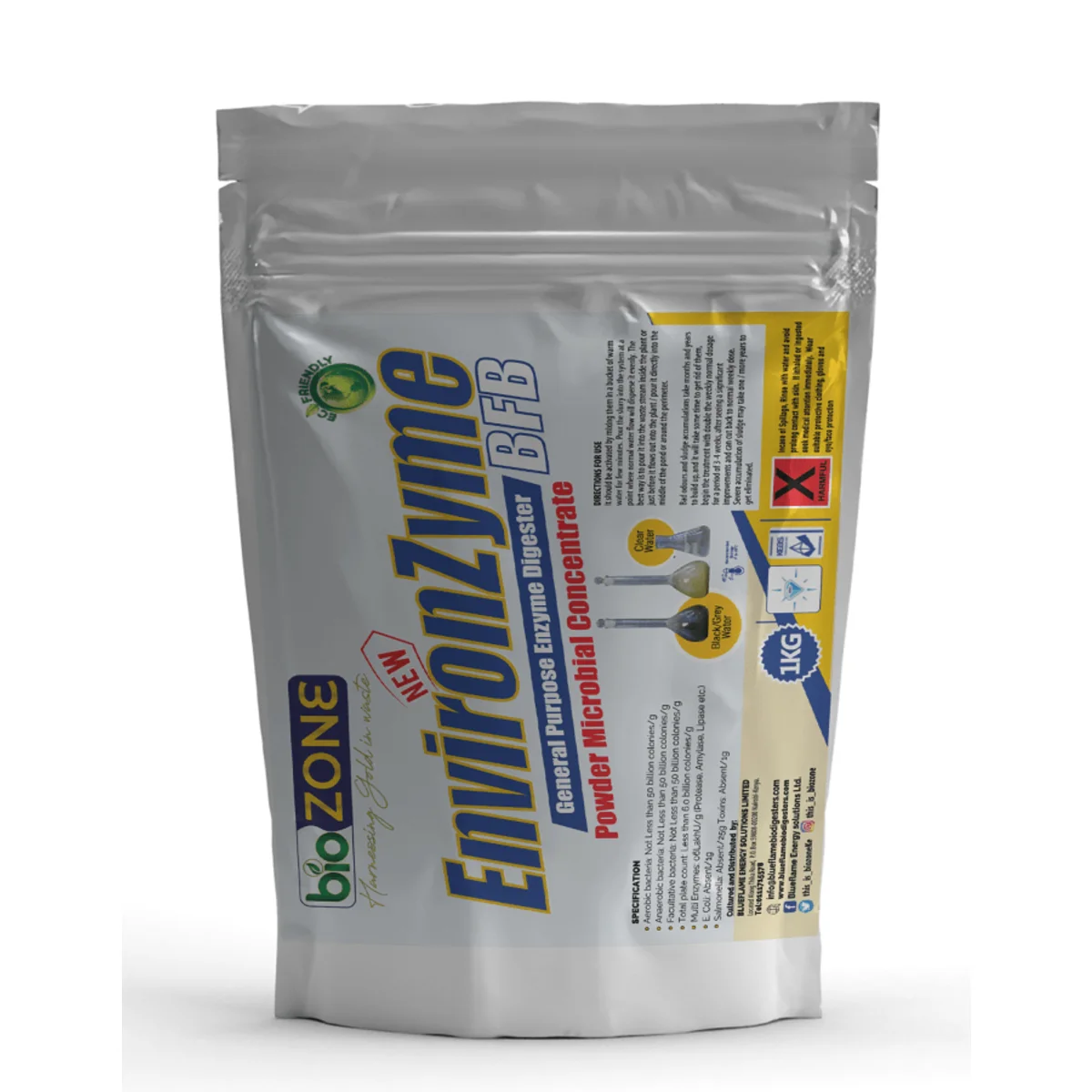
Environzyme BFB
Enzyme and bacteria blend for septic tanks and water recycling that breaks down solids, fats and paper and reduces sludge volume.
View product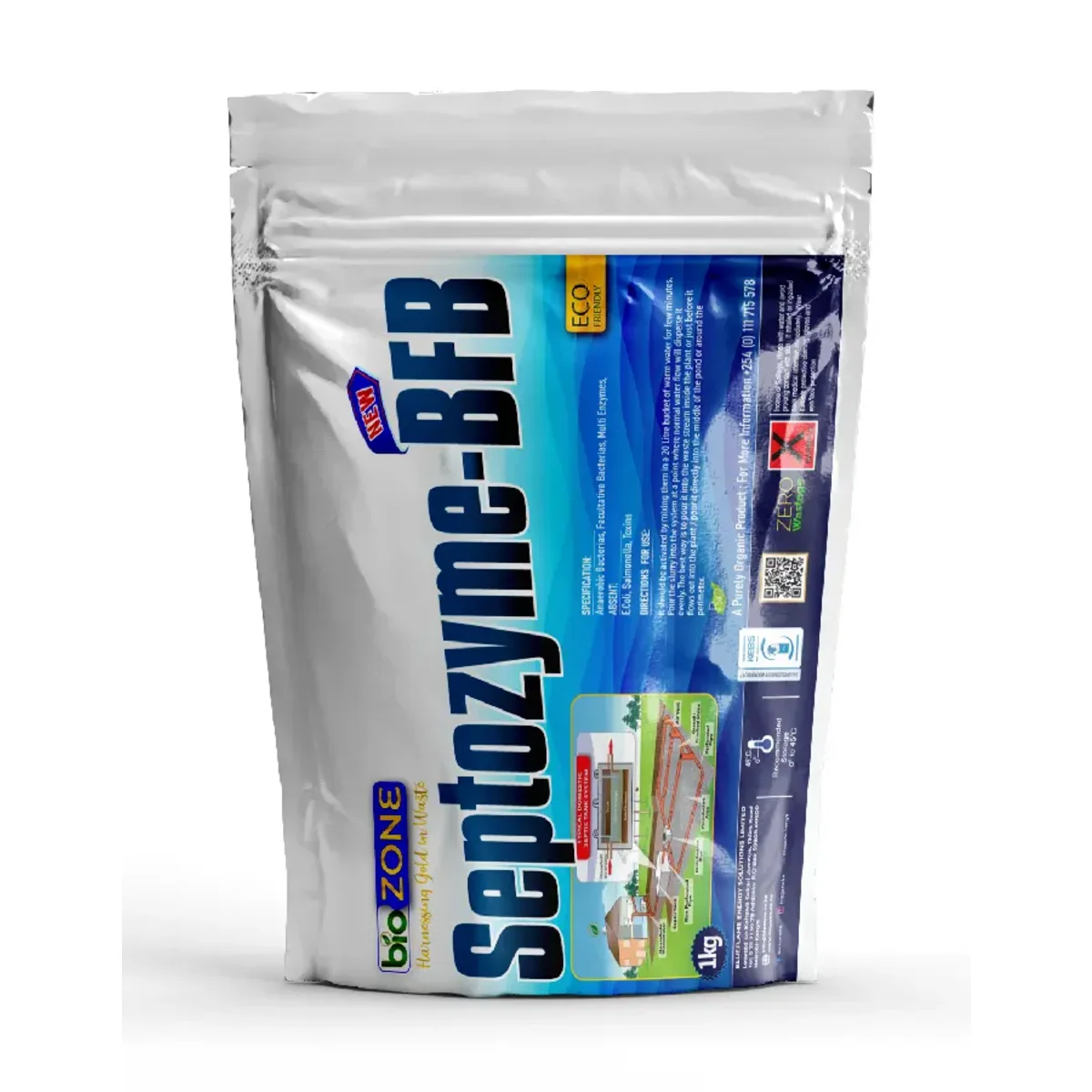
Septozyme BFB
Anaerobic enzyme formulation that digests stubborn solids in septic tanks and biodigesters and helps restart sluggish systems.
View product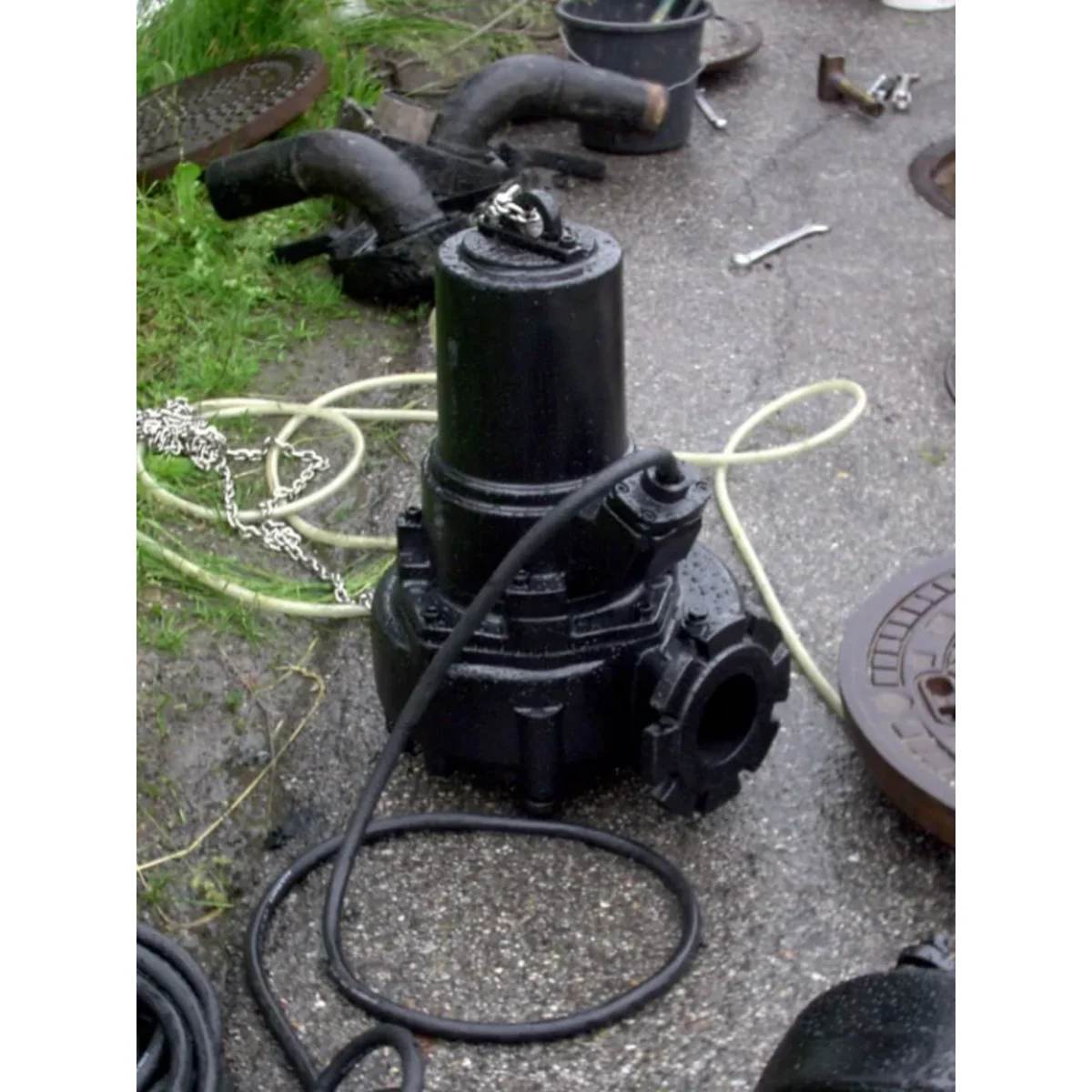
Sewage Pump
Submersible pump for moving wastewater and solids from sumps and lift stations to the treatment plant.
View productFlocculants
Polymer flocculants that bind fine solids into large flocs, clarifying effluent and helping sludge dewatering.
View productAluminium Sulphate
Alum coagulant that clumps fine particles together so they settle out of water and effluent.
View product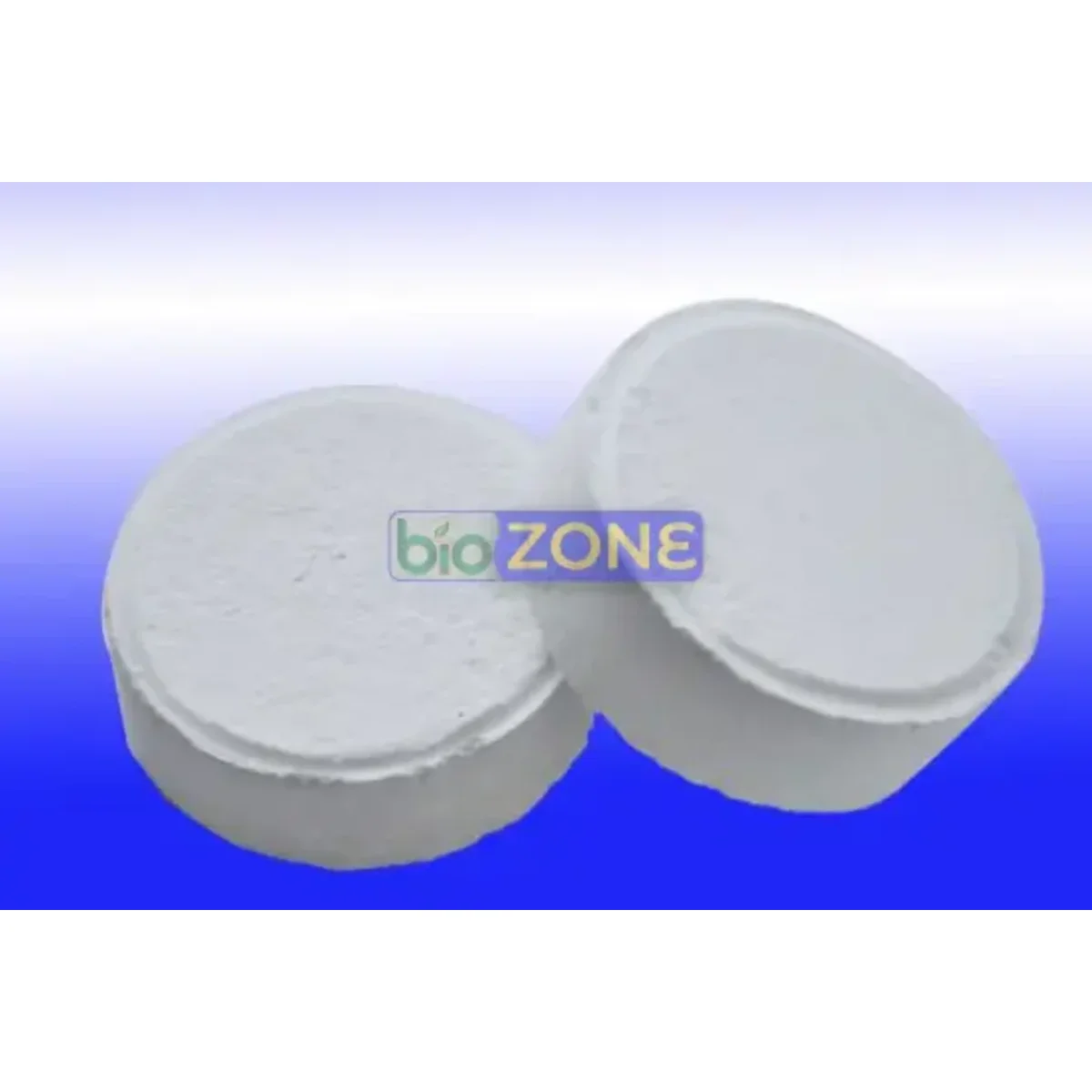
Calcium Hypochlorite (Chlorine 65)
Chlorine 65 granules for disinfecting pool water, drinking water and wastewater, in 1 kg, 5 kg and 20 kg packs.
View productAgitator Sewage Pump (Stainless Steel, Stirring Impeller)
Stainless steel sewage pump with a stirring impeller that keeps solids moving so thick sludge can be pumped out.
View productCommon questions
Can bacteria really reduce pit latrine sludge?
Yes, regular dosing of suitable bacteria speeds up breakdown, though results depend on the pit and its load.
Do you supply disinfectants for sludge?
Yes. See our chemicals range and ask for partner pricing.
Learn more: Pit latrine overview on Wikipedia.